
Discover how the next generation of remote patient monitoring is revolutionizing diabetes management, empowering patients and healthcare providers to achieve safer, more convenient, and more connected care experiences.
The Rise of Remote Patient Monitoring in Diabetes Management
In 2026, remote patient monitoring (RPM) has become a cornerstone in diabetes care, transforming how patients and providers interact. Driven by advances in continuous glucose monitoring (CGM) technology, RPM enables healthcare teams to receive essential health data in real time, ensuring a more proactive approach to diabetes management.
This shift toward continuous connectivity allows for early detection of trends, rapid intervention, and a seamless care experience. The integration of RPM platforms with insurance and provider workflows has further reduced administrative burdens, making personalized diabetes care more accessible and efficient than ever before.
Continuous Glucose Monitoring: Eliminating Fingersticks and Improving Safety
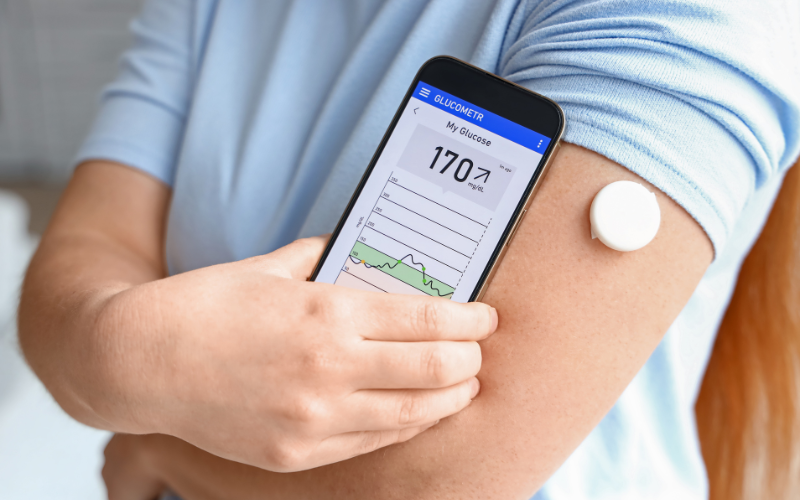
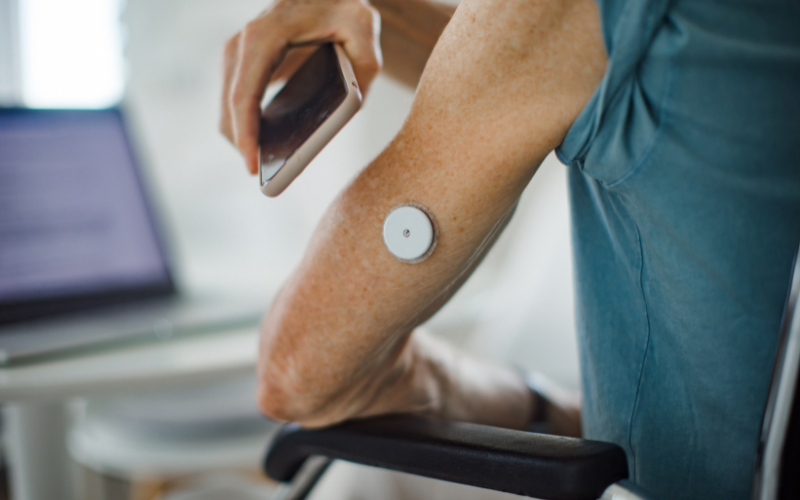
Continuous glucose monitors have virtually eliminated the need for routine fingersticks, offering a pain-free and more accurate alternative for glucose tracking. Devices like the Dexcom G7 provide 24/7 glucose readings, predictive alerts, and mobile app integration, empowering patients to stay within their target range and avoid dangerous highs and lows.
The increased safety and convenience of modern CGMs have driven greater adoption, especially among those seeking to minimize disruptions to daily life. Enhanced accuracy and reliability ensure that both patients and providers can make informed decisions quickly, reducing the risk of hypo- and hyperglycemic events.
Personalized Insights and Real-Time Alerts for Proactive Care
Today’s CGM systems leverage advanced analytics to deliver individualized insights and real-time alerts, supporting proactive diabetes management. Patients receive notifications when glucose levels trend outside their personalized targets, enabling faster self-care and provider intervention.
Healthcare teams benefit from comprehensive, actionable data that streamlines clinical decision-making and supports tailored treatment adjustments. This level of personalization not only improves outcomes but also fosters a stronger patient-provider partnership, encouraging engagement and adherence.
Reducing Hospital Readmissions and Enhancing Quality of Life
With RPM and CGM integration, the frequency of hospital readmissions due to uncontrolled diabetes has significantly decreased. Early warnings and ongoing monitoring help prevent complications before they escalate, translating to lower healthcare costs and better patient experiences.
By minimizing emergency interventions and supporting continuous self-management, patients enjoy greater peace of mind and improved quality of life. Automated supply refills, home delivery, and dedicated patient support services further streamline daily routines, removing barriers to effective diabetes care.
The Future of Connected Diabetes Care: Integration and Patient Support
Looking ahead, the future of diabetes care lies in even deeper integration—uniting CGMs, insulin pumps, remote monitoring platforms, and patient support services into a cohesive ecosystem. Seamless data sharing between devices and care teams will enable closed-loop systems and more intuitive user experiences.
Comprehensive concierge services, insurance navigation, and technology partnerships will continue to simplify the patient journey. As these innovations mature, Quest Health remains committed to empowering individuals to live healthier, more independent lives with the support of cutting-edge connected care solutions.